The Impact of Presidential Elections on Interest Rates and Inflation
The rise and fall of interest rates and inflation have forever been tied to the United States’s social, political, and economic activities. At the heart of these activities are presidential elections. As the highest office in America, the presidency holds sway over several governing policies, economic and otherwise, that may influence interest rates and inflation. This article aims to shed light on the potential impact of presidential elections on interest rates and inflation, delving into the historical elements, the interplay of politics, policy, and economics, and strategies for navigating these financial climates during an election year.
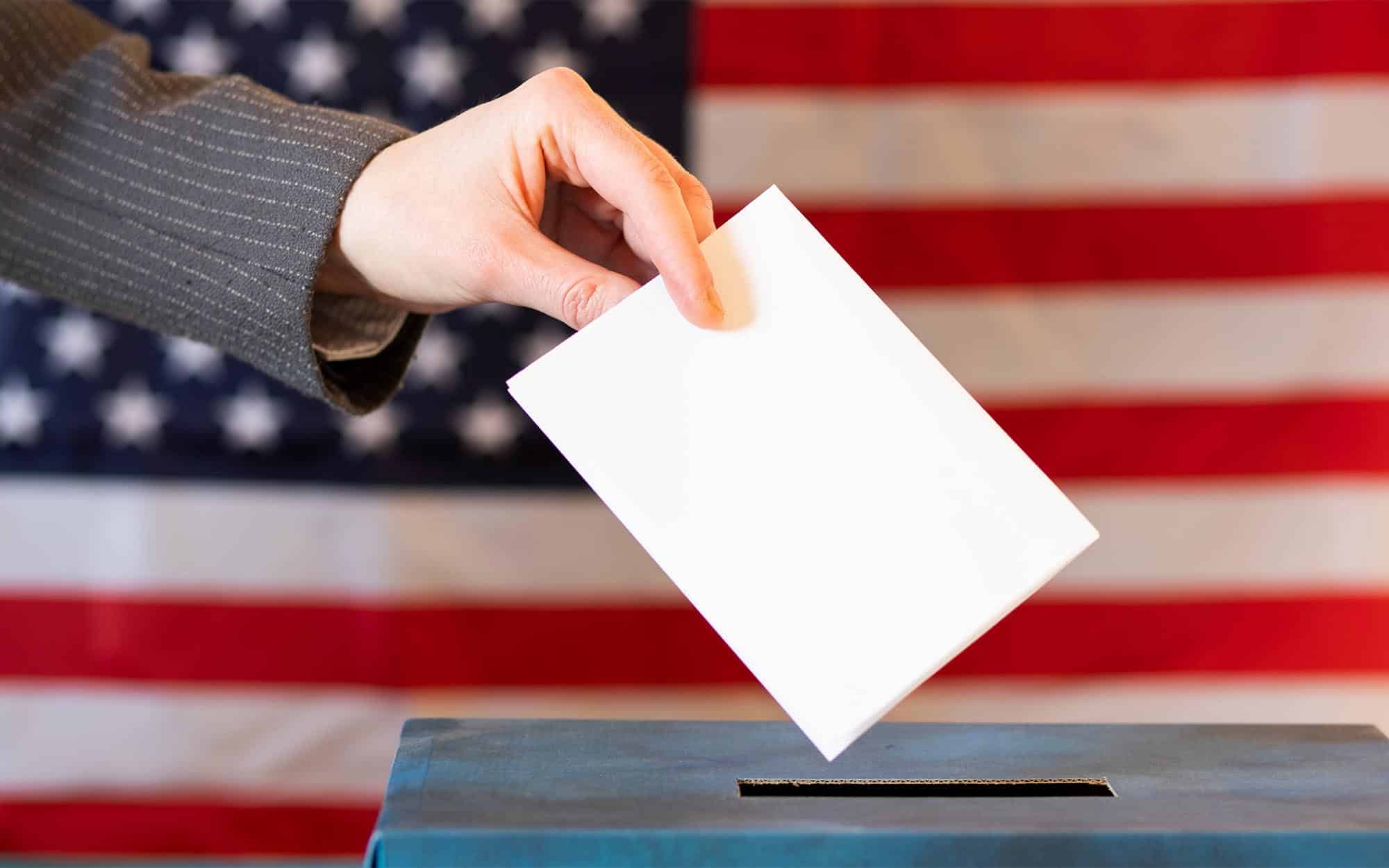
The Federal Reserve’s Role in Interest Rate Decisions
The Federal Reserve sets key interest rates like the federal funds rate and discount rate. This impacts the Prime Rate that banks use for loans. So, while presidents appoint Fed Governors, interest rate decisions are made independently by the Federal Open Market Committee (FOMC).
The Fed aims to balance factors like inflation, unemployment, and economic growth when setting rates. Presidential elections don’t directly determine rates, but the Fed monitors the economic impacts.
How Political Uncertainty Impacts Interest Rates
Despite the Fed’s independence, increased uncertainty leading up to elections can influence interest rates in a few key ways:
- The Fed is less likely to raise or lower rates until election uncertainty passes.
- Long-term rates set by bond markets may decline as investors seek safe assets.
- Variable mortgage rates often dip when short-term rates fall due to temporarily higher demand for low-risk bonds.
- These effects are usually modest and temporary.
- Overall, rates tied to Fed decisions and long-term economic outlooks don’t tend to change much during election uncertainty.
Want to stay updated on the latest economic trends? Our Wealthologist series offers insight into the latest financial news. Check it out today.